Buying lingerie for the first time, or after years of wearing whatever happened to be on sale, can feel oddly intimidating. The shapes, fabrics, and size charts all look unfamiliar, and one wrong guess can leave you with a drawer full of pieces you never reach for. Matching lingerie takes some of that guesswork away because the top and bottom are designed to work together. Understanding how bras & panty sets are built, sized, and cared for will help you shop with confidence and end up with something you genuinely enjoy wearing.
What Makes a Matching Set Different From Separate Pieces
A set is designed as a pair, which means the lace pattern, strap finish, trim width, and dye color all come from the same production run. When you buy pieces separately, slight shade differences between batches can leave one half looking a little off, especially in blush, ivory, or deep red. Sets are also usually cut from the same fabric weight, so the top and bottom feel balanced against the skin instead of one being sheer and the other heavy. For many shoppers, bras & panty sets are simply the easier route to a polished look without hunting for coordinating items one at a time.
Fabrics and Fits Worth Knowing Before You Buy
Cotton blends are breathable and gentle, which makes them a sensible choice for long days. Microfiber and nylon blends feel smooth under fitted clothing and rarely leave visible lines. Lace brings a decorative finish, though stretch lace with a soft lining is far more comfortable than rigid, scratchy versions. Satin and mesh suit moments when appearance leads, while modal-style fabrics lean toward softness and moisture control. Reading the fabric label matters more than admiring the product photo, since the material determines how a piece behaves after a few hours of real wear.
Getting Your Band and Cup Measurements Right
A well-fitting set begins with two numbers: the band measurement around your ribcage just under the bust, and the cup volume taken at the fullest part of your chest. The band should sit level around your back and feel snug without squeezing, because it provides most of the support. Straps are meant to assist, not carry the load. If the center panel lifts away from your breastbone or the band rides up toward your shoulder blades, the size is probably off. Sizing varies between labels, so treat any chart as a starting point and adjust after trying a piece on.
Understanding Coverage Styles and Bottom Cuts
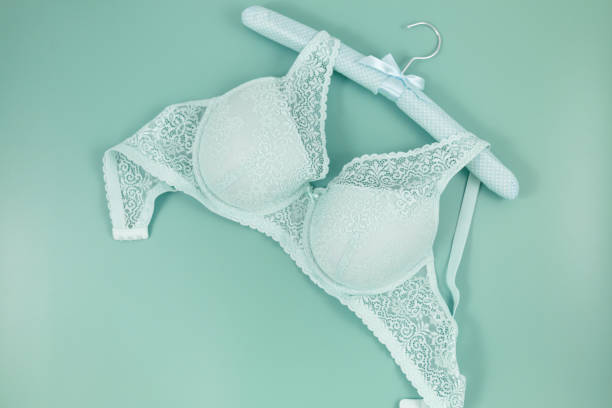
Coverage determines how a set feels and looks under clothing. Full-coverage cups suit everyday wear and fuller busts, while demi and balconette cuts offer a lower neckline for scooped tops. Bottoms come in briefs, bikinis, hipsters, thongs, and boyshorts, each sitting differently on the hip. When you browse a range of bras & panty sets, check whether the leg opening and rise suit the way you like to move through the day. A cut that looks appealing on a model may bunch or ride up on your own frame, so think about comfort before visual impact.
Choosing Colors That Suit Your Wardrobe
Neutral shades like nude, black, and white are the workhorses because they disappear under most outfits. Choose a nude that matches your actual skin tone rather than a generic beige, otherwise it may show beneath light fabrics. Bolder shades such as burgundy, emerald, or navy add personality and still work well under dark clothing. If you’re building a small collection, begin with two neutrals and one color you love, then expand from there. A set you feel good in tends to get worn more often, which is better value than a perfect palette sitting unused.
Quick Checks Before You Add to Cart
Run through these questions before you commit to a purchase:
- Does the fabric label list a soft, stretchable blend?
- Are the band and straps adjustable?
- Do the top and bottom share the same trim and shade?
- Is the size chart specific to this label?
- Can the set be exchanged if it doesn’t fit?
Answering them takes less than a minute and filters out many poor purchases. The same checks apply whether you shop in a store or order bras & panty sets online, where trying them on isn’t possible.
Caring for Delicate Fabrics So They Last
Delicate pieces last longer with gentle habits. Hand washing in cool water with a mild detergent is ideal, and if you use a machine, place items in a mesh bag on a delicate cycle. Skip fabric softener, which can weaken elastic, and avoid the dryer, since heat breaks down stretch fibers over time. Lay pieces flat or hang them away from direct sun to dry, and rotate between a few sets so the elastic can recover between wears. Store cups without crushing them so their shape holds.
Conclusion
Choosing well comes down to fit, fabric, and personal comfort rather than passing trends. Take accurate measurements, think about how and where you’ll wear each piece, and treat care instructions seriously. With those habits in place, bras & panty sets become reliable parts of your wardrobe instead of occasional impulse purchases, and you’ll know exactly what to look for next time.