


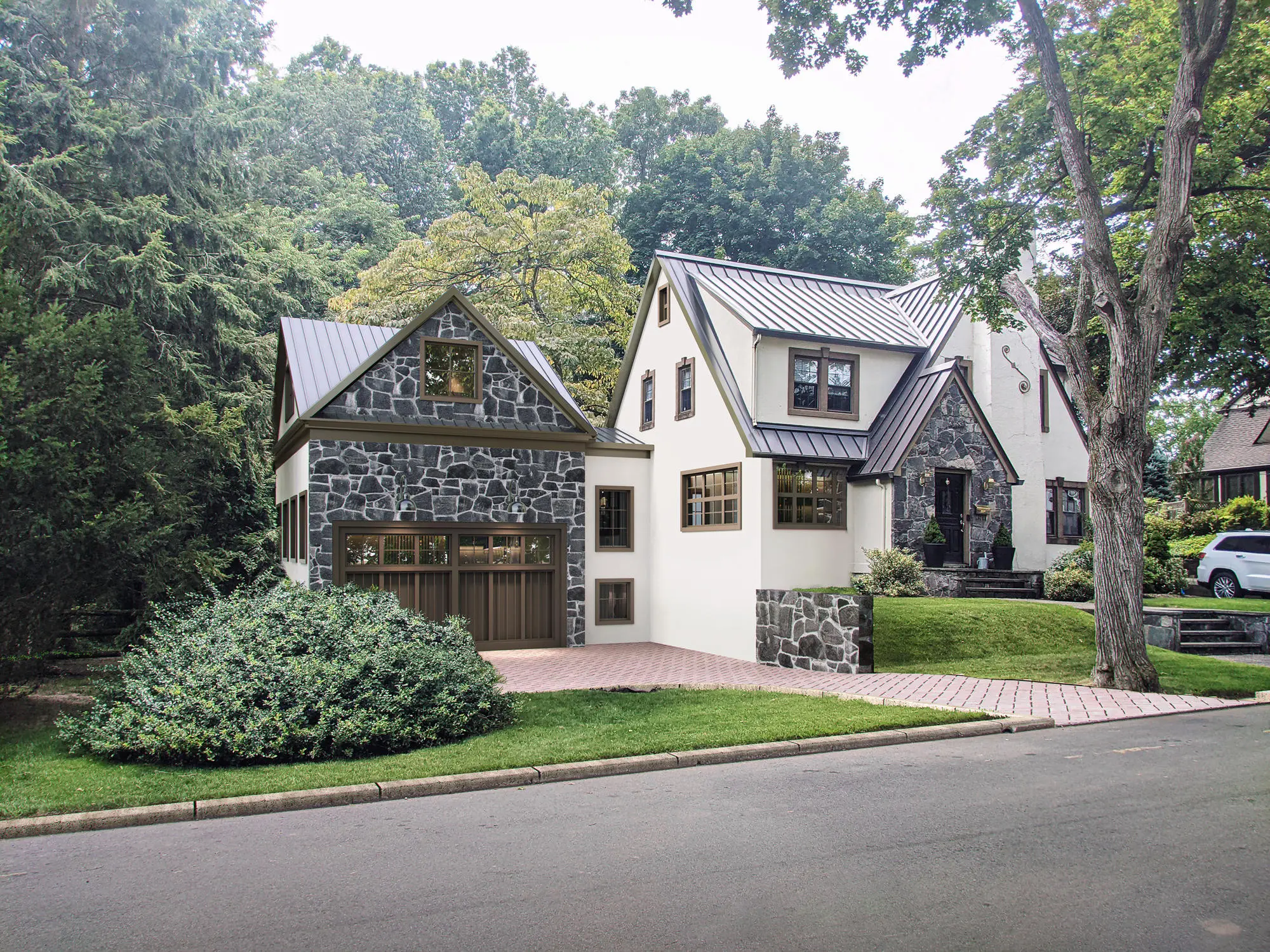
Buying, building, or selling a home is one of the biggest decisions most people ever make, and it usually begins with a picture in the mind. The trouble is that plans and sketches rarely match that picture. House rendering services exist to bridge the gap by turning drawings into realistic visuals that show how a residential property will actually look. They can depict mansions, villas, apartments, condos, and more, long before construction starts or a listing goes live. In this overview, we explain what the work involves, which formats are available, and how architects, agents, and designers use photorealistic house rendering to communicate ideas, reduce uncertainty, and move projects forward with greater confidence.
What House Rendering Actually Means
House rendering is the process of visualizing residential properties and creating photorealistic images of them. Artists build a digital model from architectural plans, apply realistic materials, set up lighting, and calculate how the scene would look in real life.
The result can look like a photograph of a home that does not exist yet. Because the model is digital, it can be adjusted, repeated from different angles, and reused for many purposes.
Quality depends on skill as much as software. Careful attention to proportion, materials, landscaping, and light is what separates a convincing image from a generic one.
A model can also be updated. If a design changes, the visuals can be revised without starting over, which keeps marketing materials and presentations aligned with the latest plans.
The Formats Available
In general, house visualization includes several formats. Still 3D images are the most common and work well for brochures, websites, and presentations. Animations add movement, showing how a home is approached or how rooms connect.
Virtual reality lets clients feel the scale of a space using a headset, while 360 virtual tours allow viewers to look around freely from fixed points. Each format has strengths, so the best choice depends on your audience and budget.
Many projects combine several formats, creating a still image set for marketing and a short film or tour for presentations.
Time frames vary with complexity and format. Still images generally take less time than animations or VR, so share your deadlines at the start and ask the studio for a realistic schedule.
Who Benefits Most
These renderings are invaluable tools for architects, real estate agents, and interior designers, providing a realistic preview of projects before construction or marketing. Architects use them to communicate design intent, agents use them to attract buyers, and designers use them to present finishes and atmosphere.
Homeowners and developers benefit too, because visuals help them make decisions with fewer surprises.
If you are exploring house rendering services, Aimir CG describes its work as covering this full range of residential visualization, which is a useful starting point for comparing what different studios offer.
A single high quality visualization package can serve many audiences at once, from clients and planners to buyers and investors, making it a strong value for money.
What to Look For and Where It Is Heading
When choosing a provider, review portfolios for realism, consistency, and variety across property types. Ask how feedback is handled, how many revisions are included, and how long production takes.
Looking ahead, expect more interactive and immersive formats as technology becomes more accessible. Even so, the core goal will not change: helping people understand and trust a design before it exists.
It is also wise to confirm usage rights. Agree in writing how and where the images can be used, including print, web, and social platforms, so there are no surprises after delivery.
Conclusion
Residential visualization turns imagination into something people can see, discuss, and approve. With the right house rendering services, projects gain clearer communication and better decisions, and photorealistic house rendering helps everyone involved picture the finished home with confidence.

