


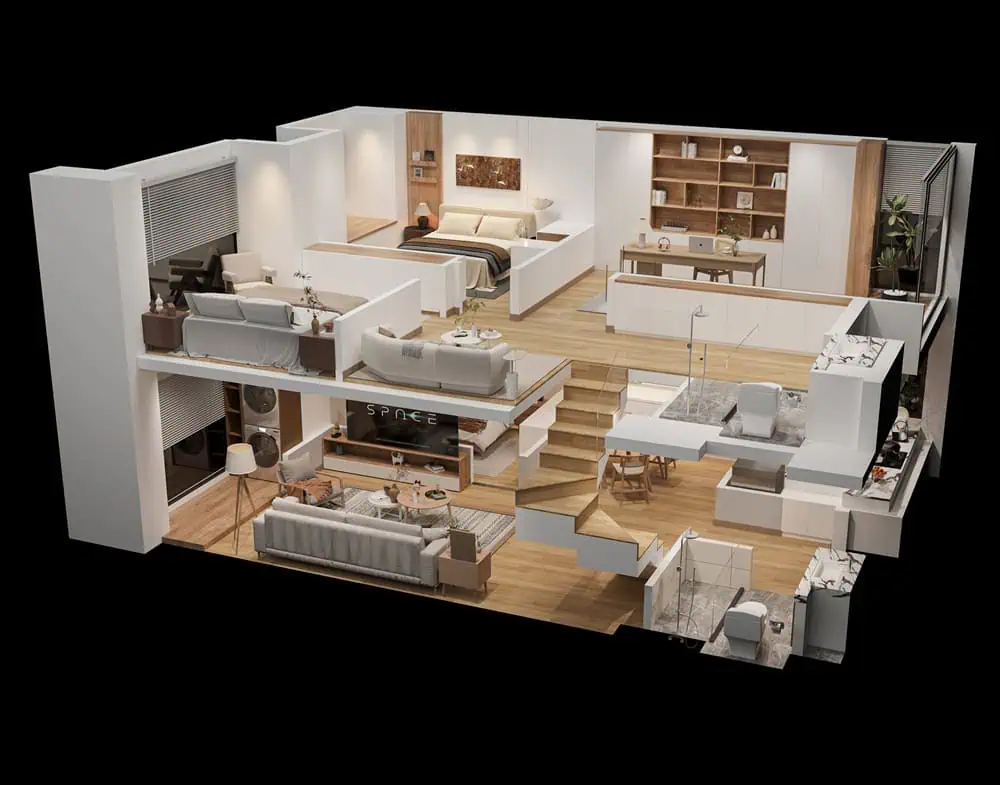
To someone outside the industry, a finished architectural image can seem almost magical. In reality, it is the result of a structured process with clear stages, each building on the last. Understanding that workflow helps clients give better feedback, plan their schedules, and avoid delays. Whether you are working with a specialist 3D rendering company or building an in house team, the basic steps are similar. This guide walks through the typical path used by 3D rendering services, from the first brief to final delivery, and explains what clients can do at each stage to keep the project moving smoothly. Knowing each step helps you plan feedback and deadlines.
Step One: The Brief and Reference Material
Everything begins with information. Clients provide drawings, such as plans, elevations, and sections, along with details about materials, finishes, and the mood they want. Reference images help communicate style and atmosphere.
The more complete the brief, the fewer questions arise later. If something is undecided, say so, and ask the studio how to handle it.
Gather files in an organized folder before sending them. Name drawings clearly, include a short note about priorities, and highlight any areas where details are still changing. This simple habit often saves days of back and forth and lets the studio start modeling with confidence.
Step Two: Modeling in 3D Rendering Services
Artists build a digital model of the building and its surroundings from the drawings. They set up cameras, choose viewpoints, and add context such as terrain, trees, vehicles, and furniture. At this stage the image may look rough, but proportions and composition are established.
Clients typically review a draft view to approve the camera angle and layout. Changes are easiest and cheapest here.
Quality checks happen throughout. Experienced artists test lighting, verify that materials look correct from the chosen camera angle, and compare the scene against the drawings to catch inconsistencies. These checks reduce the number of revisions needed later.
Step Three: Materials, Lighting, and Rendering
Next, materials such as glass, wood, stone, and metal are applied, and lighting is configured to reflect the desired time of day and mood. The software then calculates how light behaves in the scene to produce a realistic image, which can take time depending on complexity.
Studios that focus on quality pay attention to small details like reflections, shadows, and texture scale. Aimir CG describes its 3D rendering services as combining consistent art quality with fast, on time delivery, which reflects the balance every studio tries to strike between care and speed.
Allow time for each stage. Complex scenes take longer to render, and rushing review rounds can compromise quality. Build a realistic schedule with the studio, and keep a small buffer for unexpected changes so deadlines remain achievable.
Step Four: Review, Revisions, and Delivery
After the first render, clients review and provide consolidated feedback. Clear, specific comments, such as adjust the wood tone or add more greenery to the foreground, lead to faster improvements. Studios then post produce the images, polishing color and contrast, before delivering final files in the agreed resolution.
Looking forward, more studios are streamlining this process with cloud rendering and collaborative review tools, which shortens feedback loops. Good planning is still the best way to protect your schedule.
Finally, request the right deliverables. High resolution files for print, web optimized versions for online use, and layered files for further editing can all be useful. Confirm formats before final delivery so you do not need to request extra versions later.
Conclusion
Knowing how the process works makes you a better client. Provide a complete brief, give consolidated feedback, and approve each stage promptly. When you understand how 3D rendering services operate, collaboration with any 3D rendering company becomes faster and more rewarding.